Multi-Level Deck Concepts: Maximize the Potential of Your Outdoor Space
Multi-level deck designs offer a practical solution for optimizing outdoor spaces. They define individual spaces for numerous pursuits, from dining to lounging. Such designs work well with sloped or irregular ground and elevate the overall look of any residence. With numerous material options to choose from, residents can strike the perfect harmony between design and resilience. The value reaches far beyond outward appearance, prompting a closer look at how these designs can transform outdoor living. What opportunities lie ahead?
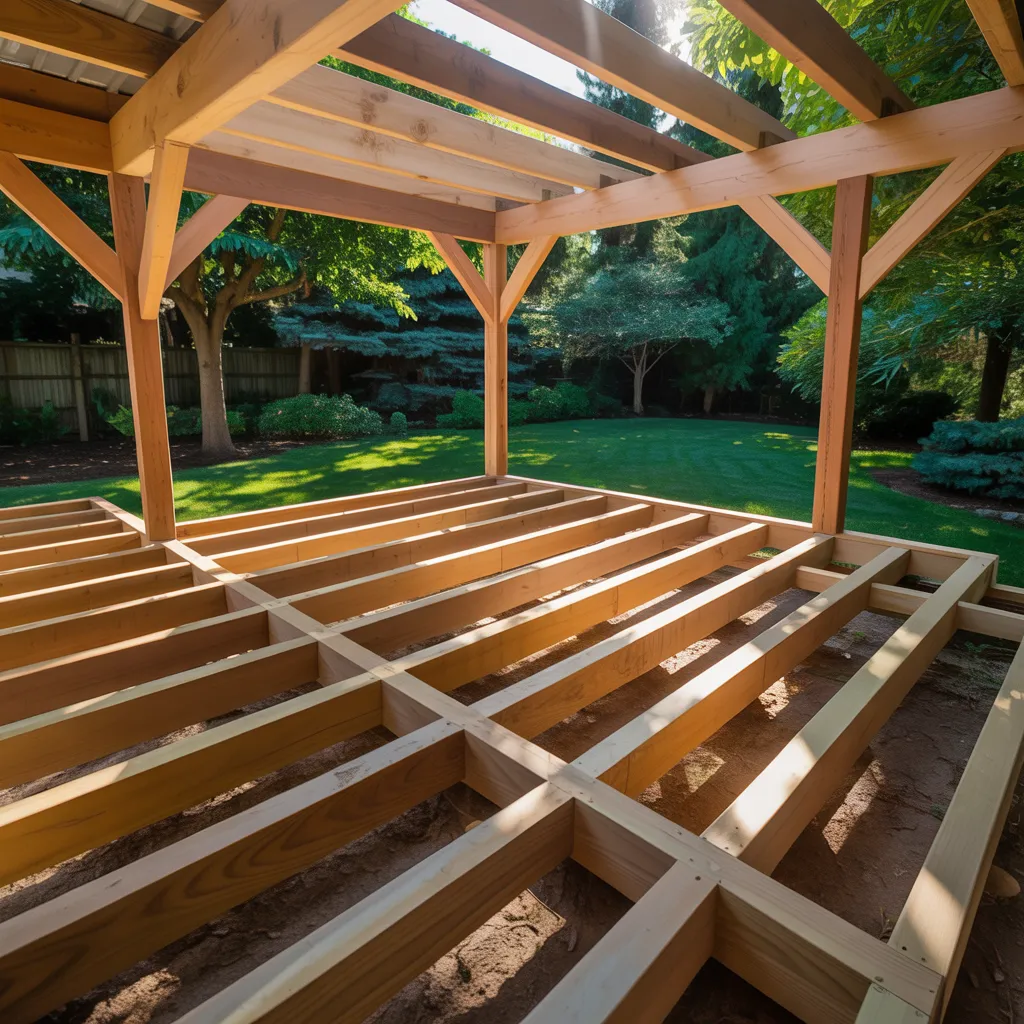
Why You Should Consider Multi-Level Decks
When property owners look to improve their outdoor living area, multi-level decks frequently stand out as an attractive choice. These installations present a remarkable ability to develop dedicated spaces for multiple purposes, facilitating a more efficient and versatile outdoor space. By integrating multiple tiers, homeowners can easily designate areas for dining, lounging, or gardening, making the space adaptable to diverse needs.
Additionally, stacked deck designs can improve the aesthetic appeal of a property, creating a striking appearance through diverse heights and dimensions. This design strategy can also serve to expand sightlines, establishing appealing observation spots for relaxation or entertainment.
Additionally, they work well with challenging topographies, making it possible to maximize the potential of sloped or uneven surfaces. In summary, multi-level decks offer a creative answer for homeowners aiming to broaden their outdoor living options while improving both functionality and design.
The Top 5 Perks of Multi-Level Decks
Tiered decks present a range of advantages that can greatly enhance outdoor environments. First, they offer separate areas for a variety of uses, such as dining, relaxing, or entertaining, allowing homeowners to optimize their outdoor areas. Furthermore, the height can maximize scenic views and natural illumination, fostering a more appealing outdoor setting. Third, multi-level designs can accommodate sloped yards, transforming challenging landscapes into usable spaces. Fourth, they can increase property value, adding desirability for future buyers. Lastly, the adaptability of multi-story decks allows for innovative outdoor enhancements, such as integrating planters, seating, or fire pits, which can further enhance the aesthetic appeal. Collectively, these benefits contribute to a versatile, beautiful, and inviting outdoor living area, making multi-level decks a popular choice among homeowners aiming to get the most out of their exterior living spaces.
Optimal Materials for Your Deck
Choosing the best materials for a deck is essential, as it considerably affects both aesthetics and durability. Popular options include wood, composite, and PVC. Solid wood, such as cedar or redwood, delivers a natural look but requires regular maintenance to guard against rot and warping. Composite materials, made from a combination of plastic and wood fibers, provide a balance of low maintenance and beauty, preventing splintering and fading.
PVC decking stands as another resilient alternative, offering a wide range of colors and styles while remaining completely resistant to moisture and insects.
In selecting decking materials, it is also important to consider environmental responsibility; sustainable alternatives can reduce environmental impact. Ultimately, the decision of decking material should reflect the homeowner's personal lifestyle, budget, and design preferences, to ensure a durable and aesthetically pleasing outdoor environment.
Establishing Relaxation and Entertainment Spaces
Within multi-level deck layouts, developing defined relaxation and entertainment spaces enhances outdoor living experiences. Designated lounge areas create a tranquil environment for unwinding, while versatile dining spaces support social gatherings and dining. Strategic design of these spaces maximizes both comfort and functionality.
Dedicated Lounge Zones
Creating designated lounge areas within multilevel deck structures converts outdoor areas take the first step into welcoming sanctuaries for rest and recreation. These areas can include plush seating, atmospheric lighting, and aesthetic touches that enhance the overall aesthetic. By strategically placing furniture, such as comfortable couches, chaise lounges, and hanging hammocks, property owners can establish personal spaces that promote togetherness or quiet reflection.
Adding additions like water features or fire pits can significantly improve the atmosphere, bringing a sense of warmth and peace. Furthermore, careful landscape design around these areas can provide a private and secluded atmosphere from surrounding areas. Overall, purposeful lounging spaces serve as essential components in multi-level deck designs, offering adaptable spaces for unwinding and enjoying nature.
Multi-Purpose Dining Areas
Strategically placing dining zones at different levels creates distinct atmospheres, encouraging relaxation and social interaction. Incorporating sturdy, weather-proof materials ensures lasting durability without compromising aesthetic charm. Moreover, adding lighting features, including string lights or lanterns, enriches the mood for after-dark occasions. Ultimately, these thoughtfully designed dining spaces transform outdoor environments into multifunctional retreats, fostering connection and enjoyment among family and friends.
Landscaping Concepts to Elevate Your Deck
Enhancing a multi-level deck can make it a lively outdoor living area. Adding vertical gardens, stylish planter containers, and ambient lighting solutions establishes visual charm and utility. These outdoor design concepts not only enhance the appearance of the space but also elevate the overall experience of enjoying the deck.
Vertical Garden Design and Installation
Vertical gardening systems can greatly transform deck environments, providing both visual charm and practical advantages. These innovative vertical gardens make use of mounted planters or trellis systems, permitting homeowners to nurture an assortment of plants without compromising precious floor space. This creative method not only elevates the aesthetic quality of a deck but also fosters a cleaner environment through better air quality. Moreover, vertical gardens can act as organic privacy shields, creating a more intimate outdoor experience. Their versatility allows for the incorporation of herbs, flowers, or even vegetables, accommodating individual preferences and gardening objectives. By incorporating these setups, homeowners can establish a vibrant, welcoming environment that elevates the overall ambiance of their multi-level deck design.
Ornamental Planter Boxes
Integrating ornamental planter boxes into a multi-tiered deck can greatly enhance the exterior living area, complementing the vibrant greenery from vertical garden installations. These planters provide both practical and visual functions, creating visual interest at varying heights. Available in numerous materials, such as timber, metal, or ceramic, they can be adapted to suit the deck's aesthetic. Placing them strategically—along handrails, staircases, or corners—makes the most of the space while improving the overall atmosphere. Moreover, including seasonal blossoms or perennial plants provides lasting seasonal charm. These planters can additionally serve to define areas, directing foot traffic and fostering inviting spaces for relaxation or entertainment. Ultimately, they support a seamless integration of greenery and structure within the multi-level deck environment.
Ambient Light Solutions
While a multi-level deck provides a stunning visual landscape, carefully chosen lighting solutions are vital in turning the space into a charming after-dark haven. Carefully arranged LED lights along the railings or embedded into steps boost security while generating a warm radiance. Suspended string lights above can introduce a charming element, ideal for social events. Solar-powered lanterns positioned around the deck's perimeter offer energy-efficient illumination, complementing the natural surroundings. Moreover, embedded lighting within built-in seating zones promotes peaceful evenings under the open sky. By combining multiple lighting solutions, homeowners can establish a comfortable setting that prolongs the enjoyment of their outdoor living space, turning it into a treasured gathering spot for family and friends long after the sun goes down.
Maximizing Safety and Accessibility on Your Deck
To maintain an accessible and secure outdoor space, thoughtful planning and design elements are critical for multi-level decks. Integrating non-slip surfaces is vital, especially in regions susceptible to dampness. Railings should be mounted across all levels, ensuring they meet local building codes for structural integrity and appropriate height. Moreover, ramps can improve access for those facing mobility difficulties, offering a more seamless transition between tiers.
Well-positioned landing areas can act as break points, simplifying movement across the deck. Spacious paths promote accessibility, providing room for wheelchairs and strollers. One should also reduce sharp edges and jutting features to reduce the risk of accidents.
Emergency egress must be a top priority, with unobstructed routes directing toward exits. Periodic maintenance evaluations are able to help identify safety risks, such as loose boards or compromised railing systems. By prioritizing safe and accessible design, tiered deck structures have the potential to become enjoyable spaces for everyone.
Lights and Accessories for Multi-Level Decks
Upgrading the appeal and utility of multi-story decks comes down to carefully selected lighting and accessories. Well-planned lighting not only boosts safety when used at night but also establishes a welcoming ambiance. Alternatives such as string lights, recessed stair lighting, and lanterns help emphasize architectural characteristics while supplying light. Solar-driven light fixtures provide environmentally conscious options, promising reduced energy consumption while maintaining visual appeal.
Alongside lighting, accessories are key elements in personalizing the space. Try including outdoor rugs, cushions, and decorative planters to enhance comfort and aesthetic appeal. Weather-resistant materials guarantee longevity, while vibrant colors can enliven the environment. Outdoor fire pits or tabletop warmers can maximize use during chilly evenings, offering heat and a natural focal point. Through thoughtful choices in lighting and decor, homeowners can turn their multi-level decks into dynamic, welcoming retreats for unwinding and hosting guests.
Inspiring Multi-Level Decking Ideas for Your Outdoor Space
A growing number of homeowners are learning about the benefits of multi-level decks, which offer a distinctive combination of functionality and aesthetic appeal. A popular approach is to create distinct zones for eating, unwinding, and planting, creating opportunities for diverse outdoor enjoyment. A multi-level layout can seamlessly integrate a jacuzzi on an upper level, while bottom levels can feature comfortable seating areas surrounded by lush landscaping.
Including integrated seating and planters can make the most of space and improve the overall design. Another creative approach utilizes using different materials like composite and wood decking, to create a clear visual definition between levels.
For those with scenic views, carefully positioning a viewing platform can create a perfect spot for relaxation. Additionally, installing a fireplace feature on a lower level can foster a cozy atmosphere for after-dark entertaining. These ideas not only elevate the outdoor experience but also greatly enhance the home's worth.

Common Questions and Answers
How Should I Care for a Multi-Level Deck Over the Years?
To maintain a multi-tiered deck long-term, conduct routine inspections for damage, clean all surfaces, use protective sealants, ensure adequate drainage, and address any structural issues promptly. Routine maintenance increases the deck's longevity and keeps it looking its best.
What Permits Are Needed for Building a Multi-Level Deck?
To construct a multi-tiered deck, you will generally need permits for building work, electrical systems, and possibly zoning compliance. Municipal regulations differ, so reaching out to your local building department ensures compliance with safety and structural standards.
Is It Possible to Add a Hot Tub to My Multi-Level Deck?
Absolutely, a hot tub can be added on a multi-level deck. Nevertheless, the structural stability must be evaluated, and local building codes and permits should be complied with to confirm safe outcomes and regulatory compliance throughout the installation process.
What Are the Prices Associated With Multi-Level Deck Building?
The expenses related to constructing a multi-level deck generally fall between 15 to 30 dollars per square foot, influenced by the materials used, design complexity, and labor costs. Further expenditures may result from permitting, utility requirements, and landscaping factors.
How Do I Choose the Right Contractor for My Deck Project?
Identifying the ideal contractor entails examining credentials, evaluating previous work, requesting multiple estimates, and reviewing testimonials. Strong communication and a detailed understanding of project expectations are equally important for a successful working relationship and project completion.